

English
EVA Foam vs. PE Foam for Cosplay (100 kg/m³, 5 mm)
EVA foam and PE foam are both widely used materials in cosplay crafting, each with specific properties suited for different applications. This comparison focuses on cosplay foam with a density of 100 kg/m³ and a thickness of 5 mm; other densities or thicknesses may behave differently.
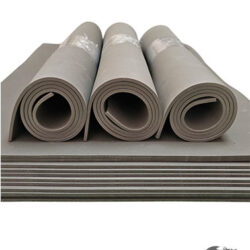
EVA Foam is the most popular cosplay foam worldwide. It offers a smooth, fine-cell surface and can be heat-shaped easily, making it ideal for detailed armor, props, and costume parts.
PE Foam is also used in crafting, but typically requires more effort when shaping complex forms and achieving consistent results.
In our shop, we focus exclusively on EVA foam, as it has proven itself over many years and is trusted by cosplayers around the world. Most cosplay suppliers rely on EVA foam because of its versatility and excellent performance for armor building, props, and costume construction.
1. Formability & Heat Behavior
- EVA Foam: Easy to heat shape at 80–100 °C, holds its form reliably, fine cell structure allows precise detail work.
- PE Foam: Heat formable, but requires more effort for complex shapes; may shrink when overheated.
2. Surface Quality & Finishing
- EVA Foam: Smooth, fine-pored surface, excellent for painting and gluing, UV and ozone resistant.
- PE Foam: Smooth but slightly waxy surface, may require extra preparation for paint and adhesives.
3. Impact Resistance & Stability
- EVA Foam: Keeps its shape well, minimal permanent deformation, ideal for armor and helmets.
- PE Foam: High shock absorption, great for large props or protective elements.
4. Durability & Environmental Resistance
- EVA Foam: Resistant to UV light, moisture, and chemicals, suitable for outdoor cosplay use.
- PE Foam: Moisture and chemical resistant, durable for large-scale applications.
5. Workability, Availability & Cost
- EVA Foam: Easy to cut, sand, and engrave, widely available in cosplay shops in various colors and densities.
- PE Foam: Requires more effort to process, limited availability in small quantities, mainly industrial use.
Overall Comparison (100 kg/m³, 5 mm) – as of March 2026
| Criterion | EVA Foam | PE Foam | Best Use in Cosplay |
|---|---|---|---|
| Formability | ⭐⭐⭐⭐ | ⭐⭐ | Armor, helmets, detailed builds |
| Surface & Finish | ⭐⭐⭐⭐ | ⭐⭐⭐ | Visible parts, airbrush, props |
| Shock Absorption | ⭐⭐⭐ | ⭐⭐⭐⭐ | Props, protective elements |
| Durability (UV, moisture) | ⭐⭐⭐⭐ | ⭐⭐⭐ | Outdoor cosplay use |
| Workability | ⭐⭐⭐⭐ | ⭐⭐ | Detail work, engraving |
| Availability & Price | ⭐⭐⭐⭐ | ⭐⭐ | Cosplay foam suppliers, industrial use |
Note: Ratings apply specifically to foam with 100 kg/m³ density and 5 mm thickness.
Vergleich EVA-Foam vs. PE-Foam im Cosplay (100 kg/m³, 5 mm)
Sowohl EVA-Foam als auch PE-Foam haben spezifische Eigenschaften, die sie für verschiedene Anwendungen im Cosplay-Crafting interessant machen. Dieser Vergleich betrachtet Foam mit einer Dichte von 100 kg/m³ und einer Stärke von 5 mm; andere Stärken oder Dichten können leicht abweichende Eigenschaften aufweisen.
EVA-Foam bietet eine gleichmäßige, feinporige Oberfläche und lässt sich bei Wärme relativ einfach formen, was besonders für detailreiche Formen und glatte Oberflächen geschätzt wird.
PE-Foam lässt sich ebenfalls formen, benötigt bei komplexen Formen jedoch etwas mehr Aufwand, um ein gleichmäßiges Ergebnis zu erzielen.
In unserem Sortiment führen wir ausschließlich EVA-Foam, da es sich seit Jahren bewährt hat und von vielen großartigen Cosplayer:innen weltweit genutzt wird. Viele Online-Shops im Cosplay-Bereich setzen ebenfalls auf EVA-Foam, weil es sich vielseitig einsetzen lässt und besonders für Kostüme, Rüstungen und Props perfekt geeignet ist.
1. Formbarkeit & Thermo-Verhalten
- EVA-Foam: Gleichmäßig formbar bei 80–100 °C, behält Form stabil, feine Zellstruktur unterstützt präzises Arbeiten.
- PE-Foam: Formbar, benötigt bei komplexen Formen etwas mehr Aufwand für ein gleichmäßiges Ergebnis, kann bei zu hoher Hitze Schrumpfungen aufzeigen.
2. Oberflächenqualität & Finish
- EVA-Foam: Gleichmäßige, feinporige Oberfläche, gute Haftung für Farbe und Kleber, UV- und Ozonbeständig.
- PE-Foam: Glatte Oberfläche, etwas wachsartig, Farbe und Kleber benötigen ggf. mehr Vorbereitung für ein gleichmäßiges Finish.
3. Stoßdämpfung & Stabilität
- EVA-Foam: Geringe bleibende Verformung selbst bei Wärme, formstabil bei Rüstungen und Helmen.
- PE-Foam: Hohe Stoßdämpfung bei flächigen oder belasteten Teilen, ideal für Props oder Schutzkomponenten.
4. Umwelt- & Haltbarkeitsaspekte
- EVA-Foam: Widerstandsfähig gegen UV-Licht, Feuchtigkeit und Chemikalien, gut für Outdoor-Einsätze.
- PE-Foam: Chemikalien- und feuchtigkeitsresistent, langlebig bei großflächigen Anwendungen.
5. Bearbeitbarkeit, Verfügbarkeit & Kosten
- EVA-Foam: Einfach zu schneiden, schleifen und gravieren, breite Auswahl an Farben und Dichten in Cosplay-Shops.
- PE-Foam: Bearbeitung erfordert etwas mehr Kraft oder Technik, begrenztere Auswahl in kleinen Mengen, meist industrielle Produkte.
Gesamtvergleich mit (100 kg/m³, 5 mm) Stand März 2026
| Kriterium | EVA-Foam | PE-Foam | Einsatzbereich |
|---|---|---|---|
| Formbarkeit | ⭐⭐⭐⭐ | ⭐⭐ | Rüstungen, Helme, detailreiche Formen |
| Oberfläche & Finish | ⭐⭐⭐⭐ | ⭐⭐⭐ | Sichtbare Teile, Airbrush, Props |
| Stoßdämpfung | ⭐⭐⭐ | ⭐⭐⭐⭐ | Props, Schutzteile |
| Haltbarkeit (UV, Feuchte) | ⭐⭐⭐⭐ | ⭐⭐⭐ | Outdoor-Einsätze |
| Bearbeitbarkeit | ⭐⭐⭐⭐ | ⭐⭐ | Detailarbeit, Gravuren |
| Verfügbarkeit & Preis | ⭐⭐⭐⭐ | ⭐⭐ | Cosplay-Shops, industrielle Angebote |
Hinweis: Die Bewertungen beziehen sich ausschließlich auf Foam mit 100 kg/m³ und 5 mm Stärke.
Quellen
- Li et al., 2024 – Comparative Study of EVA-Foam Foaming
- Wu & Lu, 2023 – Dynamic Modeling of EVA-Foam
- Kappeler – PE-Foam technische Informationen
- Flexipack – EVA-Foam Eigenschaften
- Kunststoffe.de – Polyethylen/PE Übersicht
Cosplayer:innen-Fazit
Mit Crafting Foam könnt ihr Rüstungen, Props, Helme und Kostüme in allen Formen, Farben und Größen gestalten.
Probiert euch aus, experimentiert mit Oberflächen, Formen und Farben, und lasst eure Ideen lebendig werden.
Ran an die Foam-Platten, habt Spaß beim Basteln und zeigt eure Kreativität – jedes Projekt kann glänzen!